From Courts to Club: Era Pickleball’s Local Network
The first time I walked into an Era Pickleball facility, the sound of paddles kissing plastic filled the air, a light thud that felt almost mathematical in its consistency. There were lines of players moving with a purpose you only see when a sport finally clicks with a community. The crowd wasn’t a mob of weekend warriors; it was a spectrum of regulars, newcomers, retirees chasing a new rhythm, and parents who needed a quick, healthy ritual to bookend school picks. In the years since that first visit, I learned to read Era Pickleball not merely as a brand or a set of indoor or outdoor courts, but as a living network that knits together neighborhoods through sport, logistics, and shared routines.
The ethos of Era Pickleball is not simply about the game. It is about access—the way a well-timed league night, a family-friendly facility, or a well-managed club can turn a casual interest into a steady habit. The brand has built its reputation not by chasing big national headlines, but by tending to the granular details that make a sport feel local and personal. When I talk to players, coaches, and facility managers, the conversation inevitably drifts toward the same three ideas: proximity, consistency, and belonging. In practical terms, that translates to: indoor pickleball courts that stay true to schedule and condition, outdoor courts that remain reachable and inviting across seasons, and a set of resources—lessons, memberships, leagues—that turn courts into a community fabric.
A critical advantage Era Pickleball brings to the table is a deliberate emphasis on the local network. The brand grew through a model that treats each facility as a hub that connects players to a broader ecosystem—lessons and clinics tethered to a convenient location, league play that fills a weekday evening, a pickleball club that becomes the neighborhood gathering point. The network effect is visible in the way schedules align across venues, how court capacity and staffing scale with demand, and how a seasoned player can transition from a beginner session to a competitive league without losing momentum or social ties.
What follows is a narrative that walks between the concrete spaces Era Pickleball occupies and the social dynamics those spaces cultivate. It’s about the practicalities of finding a decent game near you, the decisions facility managers face in balancing indoor and outdoor play, and the types of membership and programming that actually feel like real options rather than marketing jargon. I’ll weave in anecdotes from administrators and athletes alike, along with concrete numbers and practical observations drawn from years of watching the network evolve.
A landscape of courts and commitments
When you map Era Pickleball in a metro area, you start to see a pattern. There are two core strands that define the network: this website indoor courts that offer predictability and weather resilience, and outdoor courts that celebrate seasonality and community events. Each strand reinforces the other, creating a continuous loop where players can migrate from one format to another without feeling like they’re leaving their familiar routines behind.
Indoor pickleball courts, in particular, represent a shield against unpredictable weather. The advantage is not merely comfort; it’s reliability. A facility that can provide evenly lit courts, consistent floor surfaces, and steady temperature control creates an environment where skill development can flourish. In many cases, Era Pickleball spaces optimize for both speed and accuracy, with surface choices that balance bounce with player safety. The goal is straightforward: make it easy for a person to show up, step onto a court, and play a dependable game without worrying about the weather, the lighting, or the last-minute scheduling shuffle that can derail an afternoon practice.
Outdoor pickleball courts capture a different energy. They embody the social aspect of the sport—the spillover of conversation during warmups, the shared rhythm of a busy summer evening, the sound of a ball skimming the line as players adjust to wind and sun. Outdoor spaces can be more generous with court layout, allowing coexistent play for families and clubs on weekends. The trade-offs are real: exposure to elements, maintenance cycles to keep surface and nets in good condition, and the need for flexible scheduling to account for weather. But when done well, outdoor courts become the heartbeat of a neighborhood pickleball culture, a place where players of varying skill levels converge to observe, learn, and compete.
The Era Pickleball club model is a strategic anchor within this landscape. Clubs function as hubs for recurring events, instruction, and social connections. A well-run pickleball club is less about annual revenue numbers and more about churn—the rate at which members renew and bring in new faces through word-of-mouth. A strong club becomes a living directory of who’s who in the local scene: the top doubles teams who know each other’s tendencies, the mid-level players who are chasing their personal best, the seniors who treat the sport as a daily ritual, and the newcomers who want a path from casual play to structured competition.
From the perspective of someone who has watched communities grow around these hubs, the club’s value is not merely in membership dues. It’s the confidence that comes with a familiar timetable: weekly clinics, monthly round robins, and quarterly tournaments that invite players to step up to a bigger stage. The social capital created by consistent events has a tangible effect on retention. When a player signs up and receives a steady cadence of events, they feel like they belong to something more stable than a random weekend pick-up game. Belonging compounds. A player who feels at home in the era ecosystem is more likely to bring a friend, organize a crew for a clinic, or volunteer to help curate the next league.
A practical map of services and pathways
For a facility manager, the operational heart of Era Pickleball lies in calendars, staffing, and maintenance. A reliable operation does more than keep the lights on or the nets taut. It creates trust with players who judge a space by the number of times they could show up, play well, and leave with a sense of progress. The operational playbook that seems to work best in this ecosystem has three pillars: scheduling clarity, program coherence, and member-centric communication.
Scheduling clarity means keeping lines of play simple and transparent. Players should know exactly where to go, what time to be there, and what equipment to bring. The best facilities publish a single, integrated calendar that shows court availability by time slot, with color-coded overlays for indoor versus outdoor options. When a new league begins, there should be a predictable enrollment window, a capped number of teams per division to preserve competitive balance, and a clear pathway from beginner clinics to advanced doubles rosters. A well-tuned calendar reduces the friction that often drives players away—double bookings, last-minute court changes, or a confusing check-in process.
Program coherence is the second pillar. It’s easy to offer a menu of activities and hope players piece it together on their own. The more successful venues curate an actual progression. A newcomer might start with a 60-minute clinic that emphasizes fundamentals, then move into a beginner league that spans six weeks, followed by a ladder or round-robin for ongoing competitive exposure. Intermediate players later graduate to specialty clinics—dinking drills, serve patterns, or strategy sessions tailored to doubles play. The most effective programs are modular but interconnected; a single coach can deliver multiple components within a coherent thread, so players feel like they’re advancing along a logical arc.
Member-centric communication is the third pillar and perhaps the most underrated. The best Era Pickleball operators treat every notice like a personal invitation. They minimize jargon, deliver updates in plain language, and use short, actionable messages. A good system doesn’t bombard with irrelevant information; it prioritizes important changes to court availability, upcoming tournaments, and gear recommendations. A proactive approach—reminders about court prep, weather advisories for outdoor play, and friendly prompts to register for a league—turns passive interest into active participation.
Real world tradeoffs and decisions
No operational blueprint is perfect. The true test is how a manager handles edge cases and compromises. Consider the decision between expanding the indoor footprint versus adding more outdoor courts in a given market. Indoor spaces have the advantage of climate control and year-round play, which aligns with a steady revenue stream and predictable staffing needs. Outdoor spaces, by contrast, are often cheaper to build and maintain, yet yield seasonal fluctuations in turnout and maintenance demands (court resurfacing, net replacements, and line repainting after peak months). In a mature market, the best strategy tends to be a hybrid one: a core cluster of indoor courts with a complementary outdoor complex that hosts weekend tournaments, summer camps, and family days. The hybrid approach preserves reliability while capturing the social energy that outdoor facilities generate when the weather is favorable.
Another key question is how to price access without alienating newcomers. A common pitfall is to create a two-tier system where casual players pay a premium for access to the best courts, while dedicated league players receive steep discounts that feel like a reward for commitment. The smarter path is to design tiered options that map clearly to value they deliver. For example, a base pay-per-visit option can be complemented by a modest monthly membership that unlocks discounted court time during peak hours, free clinic access, and priority registration for leagues. This structure rewards regular participation without turning away the occasional player who wants to try a game before committing to a routine.
The human element matters most
Beyond calendars and contracts, the human element often determines whether an Era Pickleball facility thrives. Coaches who can translate technique into practice, and managers who can translate policy into fairness, create the conditions for sustainable growth. In my experience, the best coaches bring a practical empathy to the court. They don’t just correct form; they explain intent, offer tangible drills, and tailor feedback to a player’s goals. A good coach makes a student feel seen, which is essential in a sport like pickleball where a friendly rivalry can feel intense but remain respectful.
On the management side, leadership requires a direct, honest line of communication with staff and players alike. That means weekly staff huddles, monthly town halls with members, and a grievance process that respects time and dignity. It also means investing in your staff. In facilities I’ve observed, those who advance the culture are those who treat front desk work, court maintenance, and coaching as a single, coordinated mission rather than siloed tasks. The payoff shows up in staff retention, smoother operations, and a climate where players sense that the venue is a place they can trust to show up and play well.
From casual to competitive: a journey through programming
Era Pickleball’s strength lies in its ability to accommodate people at different stages of their journey. A typical player pathway begins with exposure through introductory clinics or drop-in play. The initial experience is crucial: it must feel welcoming, quick to pick up, and reinforced by positive social cues. A well designed intro program uses a simple language and clear demonstrations. In practice, it often includes a short assessment to place players into appropriate queues for clinics or leagues, ensuring they don’t feel out of place or overwhelmed.
Once a player has a handle on the basics, the next step is progression. Beginners graduate to beginner leagues or doubles clinics that emphasize collaboration and strategy. These sessions are designed to be social as much as competitive; players quickly discover that the social ties formed on court can outlast the memory of a bad shot or a lost rally. The emphasis on social capital in this stage is not accidental. It’s a deliberate design choice aimed at turning a one-off experience into a recurring habit.
For players who want more intensity, Era Pickleball facilities offer a spectrum of competitive options. Weekend tournaments, ladder formats, and age-group events create measurable milestones that players can chase. The best of these formats keep complexity manageable. They enforce clear rules, provide adequate time for warmups, and ensure that the flow of matches matches the energy of the players. A well run tournament schedule includes sufficient staffing for scorekeeping, official oversight, and communications so that participants understand when and where to be and what to bring.
The role of technology in a neighborhood network
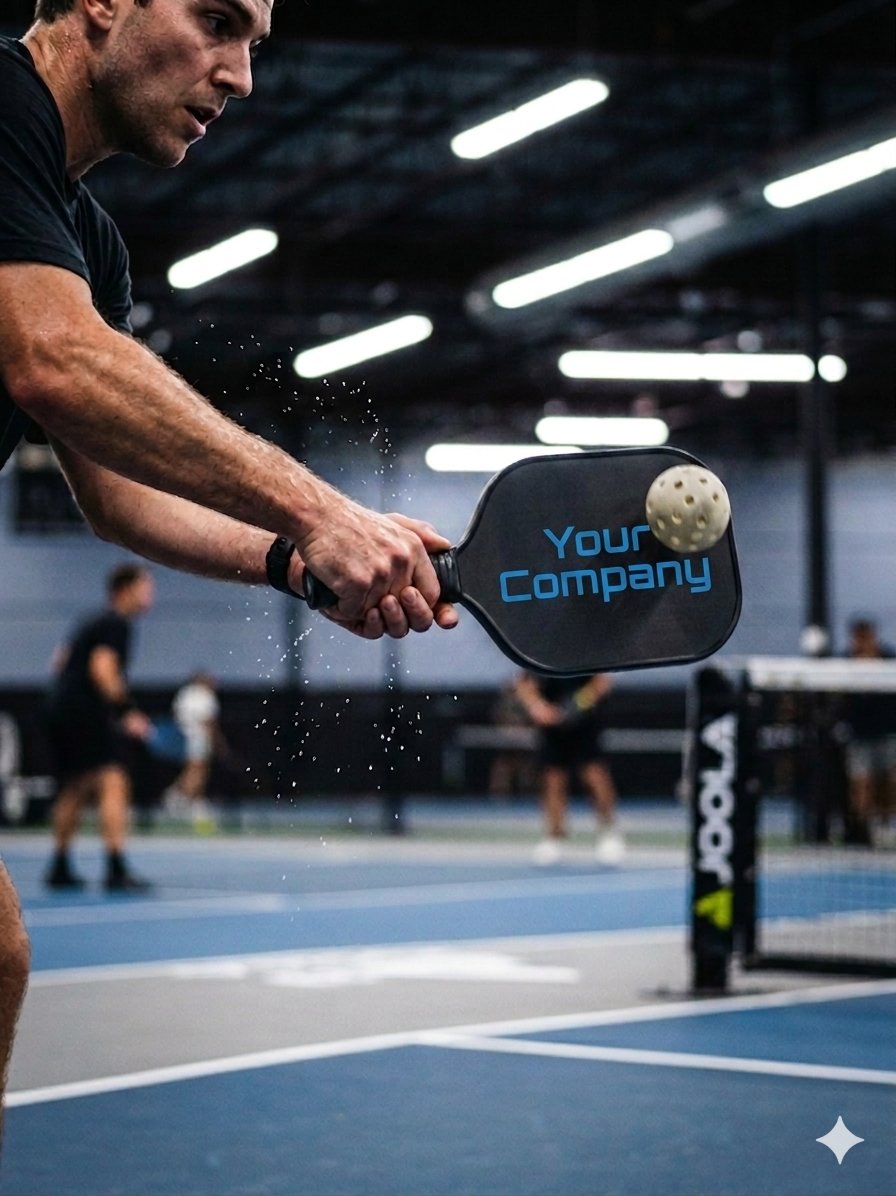
Technology serves the network in two essential ways: operational efficiency and member experience. On the operations side, modern registration systems, dynamic calendars, and digital waivers streamline tasks that used to bog down front desk teams. A robust system can automatically allocate courts, send reminders, and flag potential conflicts before they disrupt play. For players, a mobile app or web portal that consolidates court reservations, league standings, and coaching calendars reduces friction and builds trust. When a player can open an app, see tonight’s available courts, sign up for a clinic, and check their ladder position in a few taps, the activity feels effortless. In practice, this means less time spent on logistics and more time on developing skill and enjoying the social aspects of the sport.
But technology is not a substitute for personal touch. The best networks balance digital sophistication with human warmth. An automated reminder is valuable, but a staff member who checks in with a newcomer after the first clinic creates a lasting impression. The relationship between a facility and its community hinges on this balance: the quiet reassurance of a well-timed update, paired with the genuine presence of people who know their members by name.
A local network worth traveling for
The Era Pickleball ecosystem has a way of making a region feel smaller, friendlier, and more navigable. People often travel a short distance, not because there is a single perfect facility, but because the network across multiple venues creates opportunities that no one space could sustain alone. A player may start in a nearby indoor facility for a structured clinic, then venture to an outdoor court for a weekend social, and finally join a league that spans several neighborhoods. The value is cumulative. It’s the sense that wherever you show up within the network, you’re not a stranger but a known, welcome participant.
In some markets, this network operates like a federation. Different facilities share coaching resources, align their beginner programs to ensure consistent messaging, and coordinate league formats so that players who move between venues still encounter familiar rules and expectations. It’s a quiet form of regional collaboration that amplifies the impact of a single facility and creates a larger map of opportunities for players of all ages and backgrounds.
Two takeaways for players and families
- Proximity and predictability matter. Whether you choose indoor or outdoor play, the ability to plan your week around specific courts and times makes a habit feel possible rather than precarious. A well priced membership that unlocks preferred times and discounts for clinics is a powerful signal that the network intends to sustain your participation, not just extract your money.
- Progression should feel natural. From intro clinics to advanced doubles, the path should be clear and continuous. Coaching that couples technical instruction with strategic insight helps players see the sport as a long-term pursuit rather than a series of isolated sessions. A community that values steady improvement turns casual players into regulars and regulars into ambassadors.
A closing thought from the heart of the network
As someone who has watched communities develop around the timing and texture of Era Pickleball, I trust the network because I’ve seen it work on the ground. You can walk into a facility, hear the rhythm of the game, and feel the cadence of a neighborhood turning into a club. That is not a marketing line; it is the lived experience of players who find a steady lane in a sport that rewards consistency, patience, and a willingness to engage with others.
If you are researching pickleball near me and you want a space that balances the practical with the social, consider what Era Pickleball venues offer beyond courts and lines. Look for how well a facility coordinates its scheduling, how clearly it communicates program changes, and how readily it invites new players into its leagues and clinics. Ask about the member experience: Are there pathways that feel logical for a beginner turning into a competitor? Is there a sense that the staff knows your name, your goals, and your schedule? Do you sense a genuine willingness to adapt to your feedback, not just a scripted response?
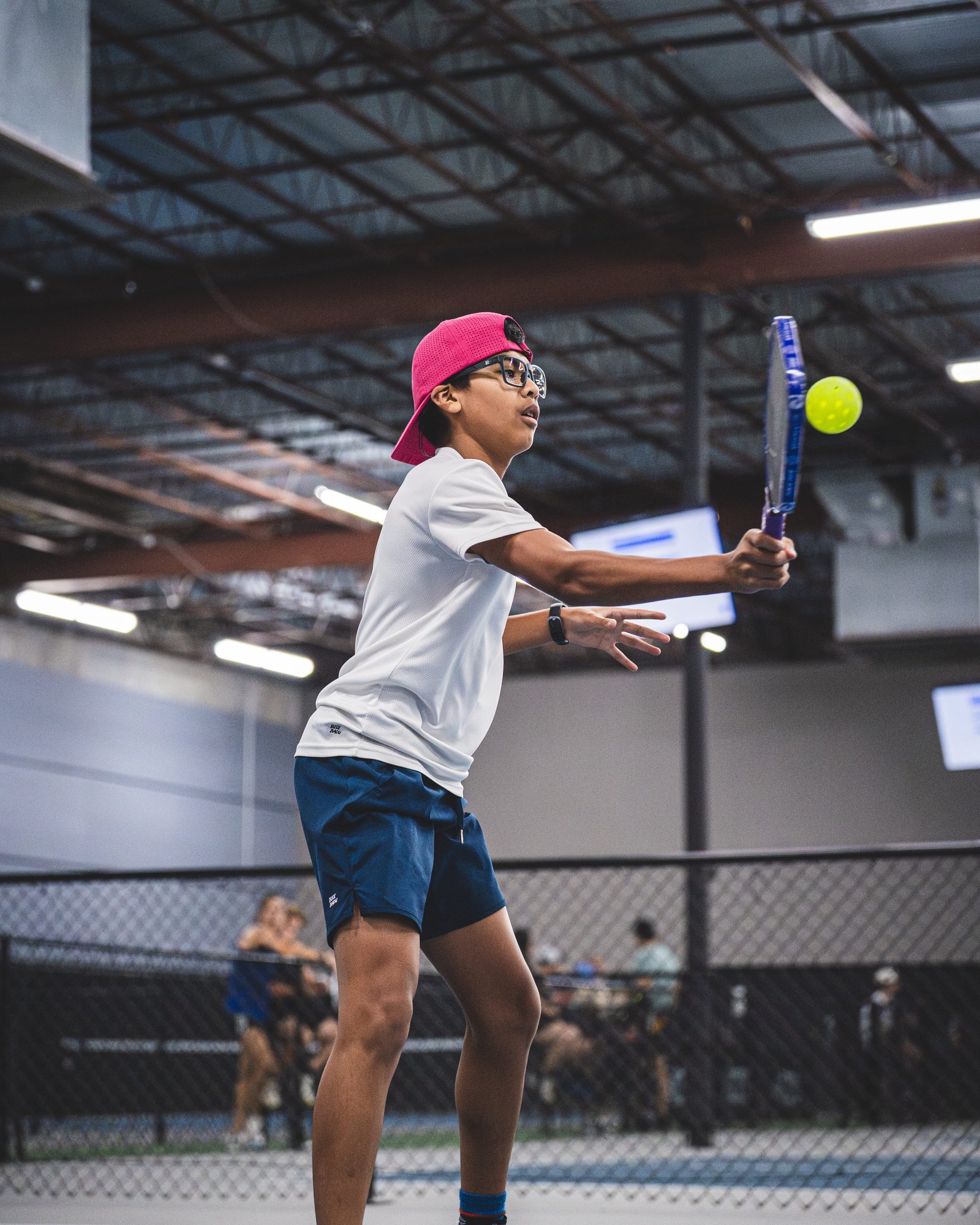
In the end, the value of Era Pickleball’s local network isn’t just in the number of courts or the length of a season. It’s in the way the network binds people to a shared activity that fits into real life. It’s in the way a weekend tournament can draw a family into a summer ritual, or a weekday clinic can spark a predictable routine that anchors a busy calendar. It’s in the stories—of a player who found a doubles partner after a friendly exchange on a midweek court; of a coach who learned to see a student’s mind as clearly as their mechanics; of a family that carved out an hour every Friday to unwind and cheer from the sidelines.
If you’re contemplating your next pickleball move, whether you’ve been playing for years or you’re just curious about the sport, think about where you want to be in six months, twelve months, and beyond. Do you want a space that feels like a second home, a place where your kids can learn sportsmanship while you discover a routine you can maintain? Do you want a path that invites you to grow without overwhelming you with choices? The Era Pickleball network is built to answer yes to those questions, not with grand promises but with a practical, human scale of access, progression, and community.
And so the narrative continues, court by court, season by season, member by member. The local network endures because it is constantly tuned to the tempo of the people who inhabit it. Courts get resurfaced, nets get replaced, schedules get updated, and new players arrive with hopeful eyes and eager smiles. The fabric may stretch as neighborhoods change, but the purpose stays constant: to turn a pastime into a shared commitment, a club into a local home, and the simple act of showing up into something that reshapes how a city breathes.