Pickleball Court Rental Era Pickleball: Weekend Availability
When you run a pickleball academy or operate a dedicated center like Era Pickleball, weekends carry a different energy. The days off from corporate schedules, school routines, and the hustle of weekday practice give players a chance to test new shots, try longer matches, and explore the social side of the sport. At Era Pickleball, we’ve learned to read those weekend rhythms with a practical eye. The best weekender experience blends reliable court availability, transparent booking processes, and an environment that feels welcoming to first timers as much as it does to seasoned doubles teams chasing a new record.
If you are exploring erapickleball.com or any of the sites that house the pickleball academy Era Pickleball operates, you are likely checking for one key thing: can I get a court when I want it, and is the experience consistent enough to plan around? The short answer is yes, but the longer answer reveals a few moving parts that matter as much as the net height or the surface grade. Weekend access is built on a cadence of maintenance windows, a predictable scheduling system, and a culture of fairness that rewards players who plan ahead and communicate clearly. This article dives into what weekend availability looks like, how to book efficiently, what to expect on a busy Saturday or Sunday, and how Era Pickleball’s approach to court rental supports both drop-in players and recurring teams.
From the perspective of real-world operations, weekend access at a pickleball center is never simply about slots on a calendar. It is about the flow that happens when players arrive, the backup plans in case a match runs long, and the micro-decisions that keep a facility running after a long day of foot traffic. The goal is to minimize friction while preserving the energy that makes weekend play so rewarding. If you are new to Era Pickleball’s court rental program, you will notice several concrete features designed to smooth the weekend experience: a clear booking path, considerate scheduling of peak hours, and a staff readiness to assist in real time.
A key factor behind weekend availability is maintenance. Courts require preventive care, which includes the occasional cleansing of surfaces, checking lines for wear, and ensuring nets are taut after a busy session. This maintenance cannot be skipped, yet it should not feel like a roadblock to players who habitually train on weekends. The best practices at Era Pickleball balance these maintenance windows with continuous access, so that the majority of players experience minimal downtime. The approach is practical, not punitive. It reflects a wider philosophy: sport is most meaningful when it respects routine as well as spontaneity.
Accommodation for different player groups is another pivotal element. Weekends bring a mix of families, weekend warriors, club teams, and corporate groups that use pickleball as a social outlet. The center’s rental framework must therefore accommodate varying needs without compromising fairness. Some players arrive with a precise time block in mind, while others seek a flexible day pass that can adapt to a weather-driven reschedule. In our experience, the strongest weekend programs are those that treat every booking as a promise kept. When a court is allocated, the occupant is expected to honor the time and, in turn, the center honors that investment of time with clear expectations and reliable service.
That trust is built in micro-interactions as well. The moment you step into Era Pickleball on a weekend afternoon, you feel a rhythm. The front desk acknowledges you by name, a quick check-in returns your acknowledgment of the court assignment, and a quick walk to the court reveals level surfaces, properly set equipment, and signage that points you to the right match room and restroom facilities. It is the daily discipline of a well-managed facility that makes weekend availability more than just a schedule on a screen. It becomes a predictable ecosystem that lets players optimize their time on the court.
To navigate weekend availability at Era Pickleball with confidence, you need a clear mental model of how bookings work, what factors influence slot availability, and how to adapt when plans shift. The reality is that no system is perfect. There will be times when a high-demand weekend coincides with a local tournament or a public event. That is not a failure of the booking process; it is an artifact of a vibrant pickleball ecosystem. The way a center responds to those moments often reveals its true character. Do staff members offer practical alternatives on the spot? Is there a transparent waitlist you can join with a simple update mechanism? Is there meaningful communication about expected wait times and potential cancellations? At Era Pickleball, the answers are yes, with a courteous, proactive stance that respects both casual players and the more dedicated teams.
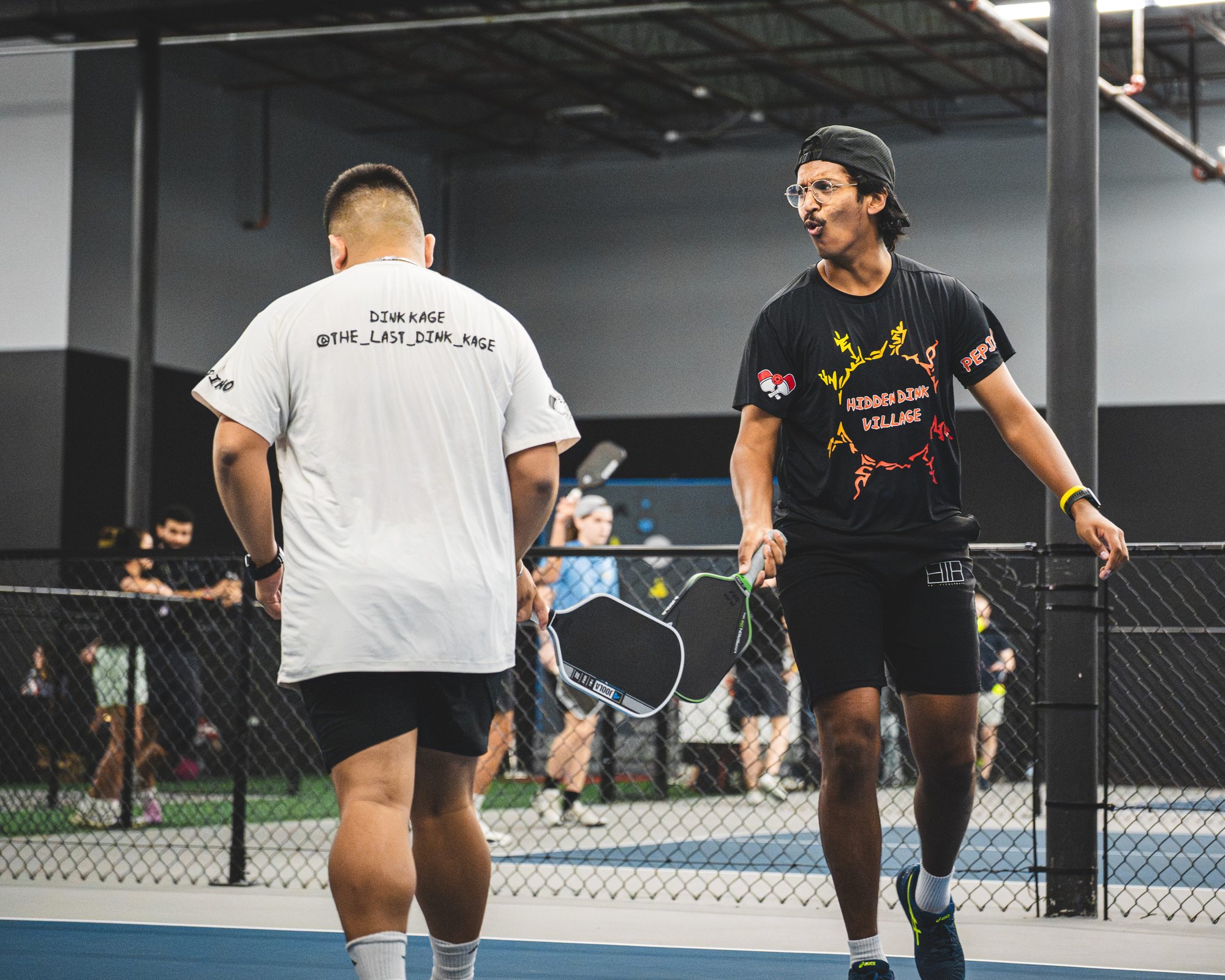
Understanding weekend demand starts with a practical view of the calendar. For players who play two or three weekend sessions per month, the pattern often mirrors a recurring schedule: block times that align with family plans, youth clinics, or open play windows designed for social matches. The center tries to keep a balanced distribution of courts across the weekend—enough to accommodate walk-ins but not so many that booked capacity becomes difficult to manage. A predictable distribution of court time reduces the likelihood of long lines, last-minute scrambles, or the indignity of a few players losing a coveted court for the day.
Yet even with a robust booking system, reality intrudes. Saturday mornings can feel like a busy street, with players streaming in as soon as the doors open. Sunday afternoons might calm down a notch, but then a friend group will arrive with back-to-back doubles rounds through the late afternoon. The objective is not to eliminate congestion entirely but to smooth it out so that players can plan around it. For families with kids, this might mean a mid-morning session that aligns with a snack break. For adult players who want long, uninterrupted rally time, it might mean a dedicated block with a guaranteed 90-minute window. The flexibility to accommodate both needs without letting one group feel crowded is where a well-run pickleball center earns its stripes.
In practical terms, here is how weekend availability is typically structured on the ground at Era Pickleball. Early morning slots are the province of regulars who want to hit the court before work or school. Midday blocks attract casual players who want to squeeze in a couple of games during a longer break. Late afternoon and early evening windows often serve club teams, sanctioned events, and casual groups who are finishing a long day with a few matches before dusk. The scheduling philosophy aims to reduce idle time on courts while keeping enough lanes open for new arrivals. It is a careful dance, balancing the needs of repeat customers with the openness required for first-time visitors to discover the sport.
Booking in this environment is not a mysterious process. It is a straightforward sequence, typically visible through erapickleball.com, where you can select a date, view available time blocks, and reserve a court of the appropriate size for your party. The best practice is to plan ahead, especially for Saturdays when the demand tends to spike. If you cannot lock in a preferred time, you can often put your name on a waitlist, a feature designed to convert a potential frustration into an option. When a cancellation occurs, the system automatically nudges the next person in line, which minimizes the chance of a cold court on a busy day. This kind of automation matters little to a casual user until you have experienced a weekend where a last-minute opening makes all the difference for your team practice or a friendly tournament.
For players who manage a recurring weekend schedule, there is a lot to gain from establishing a routine within the Era Pickleball ecosystem. A consistent time block becomes a habit, not merely a booking. It reduces the cognitive overhead of plan-making and frees energy for strategy and skill development. The staff can optimize their operations around known commitments, which in turn improves the quality of service in the lounge and gear areas. When you arrive, the path from parking to court to court-adjacent seating feels familiar, which lowers stress after a long week and puts players in a better frame of mind for a productive session.
The weekend experience also includes the social dimension. Pickleball thrives when players connect beyond the constant rallies. The Era Pickleball center understands this and designs spaces where conversations can happen between sets. The lounge area, the viewing deck, and the bench seating around the courts become a natural extension of the session. You are more likely to meet new partners, gain coaching tips, and learn about upcoming clinics when you stay a little longer after your match. The social fabric of the weekend is not an optional add-on; it is an integral part of why players return for multiple sessions across months and seasons. The environment is intentionally welcoming to new players, yet it does not compromise the competitive energy that many serious players crave.
What follows are practical considerations to help you maximize your weekend experience at Era Pickleball and similar centers that share a commitment to fair access and reliable performance.
First, know your goals for the session. Are you trying to rack up a specific number of games, refine a shot, or use the time to work with a coach? Your objective will influence the type of booking you choose. If you want a longer rally session, select a block that promises uninterrupted time and communicates with the staff about preferred court assignments. If you want to mix drills with casual play, a hybrid schedule that includes a short coaching slot followed by open play can be the sweet spot. The clarity about your intent helps the desk staff align your booking with the weekend flow, which reduces the risk of overlap with other groups.
Second, approach peak times with a plan. The busiest windows are often late morning and early afternoon on Saturdays, and mid to late afternoon on Sundays. If those times matter for your group, consider reaching out to Era Pickleball in advance to reserve a block that fits your rhythm. If you are flexible, you can secure a slot during the shoulder hours when courts turn over quickly and you can still get a good level of play without the crowding that accompanies peak hours. A little advance planning yields a smoother, more enjoyable session.
Third, treat cancellations and changes with courtesy. If your plans shift, notify the front desk as soon as possible so the system can reassign the court time to another group. This small courtesy keeps the weekend ecosystem functioning smoothly and helps everyone maximize their time. It is one of those behaviors that may seem minor but pays dividends in a busy facility.
Fourth, respect the equipment and the surface. Saturday and Sunday use tends to reveal any edge wear, scuffing on the lines, or minor issues with nets. The best centers schedule routine checks at the end of the day to prepare for the next wave of players. You will notice that Era Pickleball regularly addresses surface integrity and net tension before the first match of the day. This attention matters because it directly affects your ability to execute a serve with accuracy and to anticipate ball bounce in longer rallies.
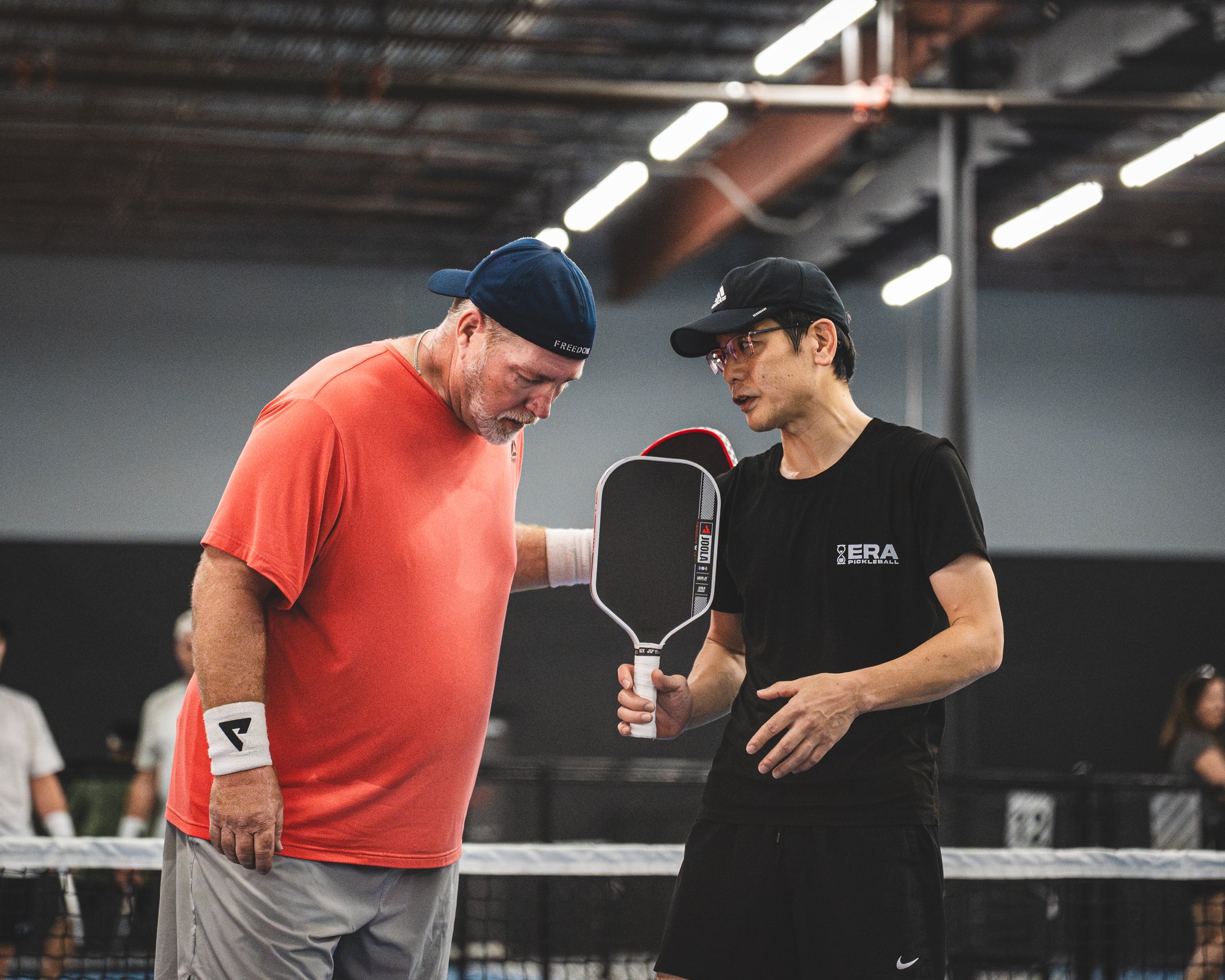
Fifth, engage with the coaching options. Many weekend sessions at a pickleball center like Era Pickleball are enriched by clinics or small-group coaching during open hours. Even if your primary goal is free play, a 20-minute drill with a coach between matches can yield tangible improvements. The weekend format is especially conducive to this, because players have the stamina to apply feedback and to experiment with adjustments in real time. The coaching layer is not a luxury; it is a practical extension of what makes weekend training valuable.
Two essential lists illuminate practical paths for weekend booking and weekend play that consistently deliver good experiences. Use them as quick references to complement the broader guidance above.
-
Weekend booking best practices
-
Plan ahead for peak windows, especially Saturdays.
-
If your preferred time is taken, join the waitlist and monitor updates.
-
Consider a recurring weekend block if your schedule allows.
-
Keep your party size aligned with the court capacity you reserve.
-
Confirm any special coaching or clinic blocks when you book.
-
On-site weekend play tips
-
Arrive early to claim your preferred court if you are in a first-come, first-served block.
-
Bring appropriate footwear and court-appropriate gear for back-to-back play.
-
Check the nets and lines quickly upon entering the court area.
-
Use the lounge to connect with partners for the next match and to swap tips.
-
Stay after play for a quick cool-down session or a short coaching refresh.
Within this framework, the Era Pickleball center has found a workable balance between predictability and spontaneity. Weekend availability becomes less about fighting for a time slot and more about orchestrating a sequence of sessions that align with personal and team goals. The result is a culture where players know they can rely on a consistent cadence of court access, even when the calendar is crowded.
If you want to dive deeper into the operational side of what makes weekend access work, imagine a few concrete cases. Consider a weekend morning block that a club team uses regularly, followed by a series of open play sessions in the early afternoon. The club team benefits from a guaranteed block, which helps with scheduling and practice planning. The open play sessions in the same day fill any gaps left by the club’s block and keep courts in use rather than sitting idle. This arrangement requires careful coordination, but the payoff is a weekend where both structured practice and social play can thrive. In another scenario, a family visits Era Pickleball on a Sunday afternoon, preferring a casual rhythm with kid-friendly drills and a few friendly matches. The staff can accommodate this without disrupting a more competitive game scheduled later in the day. The ability to tailor the weekend experience to diverse needs is what differentiates a good center from a great one.
Safety and accessibility are always top of mind, especially during weekend high traffic. From a practical perspective, the center invests in clear signage, accessible pathways, and well-lit courts so that night sessions feel as safe as daytime play. For players who rely on public transit or shared rides, proximity to parking and easy access from the main entrances reduce friction and encourage participation. In years of operation, Era Pickleball has learned that a thoughtful focus on safe, inclusive access is not a side note but a core driver of weekend success. This approach extends to the coaching staff as well. Coaches and assistants are trained to communicate clearly, enforce fair play, and offer guidance without overpowering a player's autonomy. The blend of structure with flexibility in coaching aligns with the weekend spirit of experimentation and growth.
There are edge cases worth acknowledging in any weekend schedule. Weather can disrupt weekend plans, particularly when outdoor spaces are involved or when travel time becomes a factor. In familiar indoor centers, the weather variable translates into a shift toward last-minute bookings or extended open play blocks to accommodate players who prefer not to drive in rain or wind. Another edge case concerns beginner sessions that begin during busy periods. The center must strike a careful balance between welcoming new players and maintaining a pace that keeps more experienced players engaged. The approach of Era Pickleball centers on transparency and supportive staff presence during those times, so newcomers do not feel overwhelmed, and the long-time players do not experience a perception of mismanaging the schedule.
You may also want to think about how weekend availability lines up with larger strategic goals you might have for your own pickleball practice. If your aim is to improve a particular facet of your game—serve consistency, return placement, net play—the weekend format can be shaped to accommodate a focused block for drills, paired with open play that reinforces what you’ve learned in a controlled setting. The immediate feedback you receive from a coach during a weekend clinic can accelerate progress in ways that weekday schedules simply do not allow. The Era Pickleball model demonstrates how a facility can support a spectrum of goals in a single weekend without making any one of them feel marginalized.
Finally, a note on community and culture. Weekend access is as much about etiquette as it is about logistics. Respect for court reservations, quiet collaboration while others are rallying, and a willingness to adapt when plans shift are signs of a mature, community-oriented space. The Era Pickleball center nurtures this culture through clear communication, visible staffing during peak times, and a willingness to explain policy changes in plain language. When players understand the rationale behind a scheduling decision, the friction that families and clubs sometimes experience diminishes. The weekend becomes not a constraint but a canvas for community, where people come to improve, to connect with friends, and to enjoy a sport that rewards habits built over time.
As you plan your weekend around Era Pickleball or any center that practices thoughtful court rental, you should keep a few guiding principles in mind. First, treat time on the court as a finite resource that you can optimize through careful planning. Second, use the booking tools not as a barrier but as a bridge to better play—watch for waitlist opportunities and respond quickly when a cancellation creates an opening. Third, lean into the social side of the weekend in a way that respects others’ space and time. The more players you meet and practice with, the more you understand the nuances of weekend rhythm and how to structure your sessions for lasting improvement.
In that sense, Era Pickleball’s approach to weekend court rental is not simply about slots on a calendar. It is a living system that translates into real-world advantages for players who take weekend play seriously. The center’s commitment to reliable access, transparent processes, and a welcoming environment creates a dependable platform for growth, whether you are a casual player who wants to squeeze in a couple of games after a busy week or a club team that needs a reliable cadence for practice. The experience matters because it sets a tone for how a sport is learned and enjoyed. Weekends are when the sport expands from a hobby into a routine, and when click here a pickleball center earns its role as a home court for players who care about every rally, every shot, and every shared moment between points.